
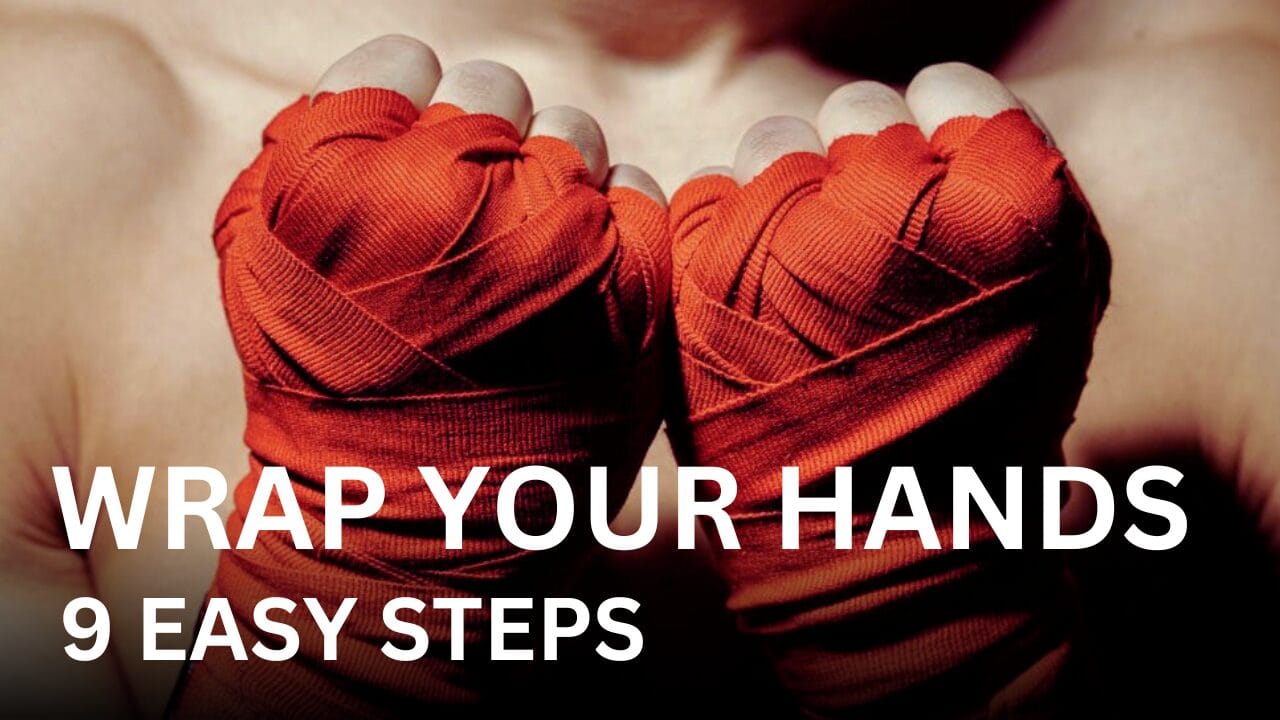
Did you know that hand injuries account for nearly 40% of boxing-related injuries? Whether you’re just starting your boxing journey or you’re a seasoned fighter, knowing how to wrap your hands isn’t just a ritual – it’s your first line of defense when training. After years of training and making every wrapping mistake possible, I’m here to share everything you need to know to protect your hands properly.
Why Your Hand Wrapping Technique Matters
Your hands are complex instruments containing 27 small bones, and each one needs protection during training. Proper wrapping doesn’t just prevent injuries – it gives you the confidence to focus on your technique and training without worrying about your hands.
By stabilizing your wrist and aligning your knuckles, good wrapping technique helps you deliver power safely while extending the life of your gloves.
Choosing Quality Hand Wraps
Before we dive into technique, let’s make sure you have the right equipment. While you might be tempted to grab the cheapest wraps available, investing in quality materials makes a significant difference in protection and comfort.
Most boxers should start with 180-inch wraps, which provide complete coverage and support. If you have smaller hands, 120-inch wraps might work better, but I wouldn’t recommend it.
As for material, traditional cotton offers reliable support, while Mexican-style (gauze) wraps provide more flexibility and are preferred by many experienced boxers.
For high-quality wraps that are perfect for beginners, check out Warfare Boxing’s premium wrap options. Use code “punchhive” for 5% off – I’ve personally tested these wraps and they offer excellent durability and protection.
The Perfect Hand Wrapping Technique
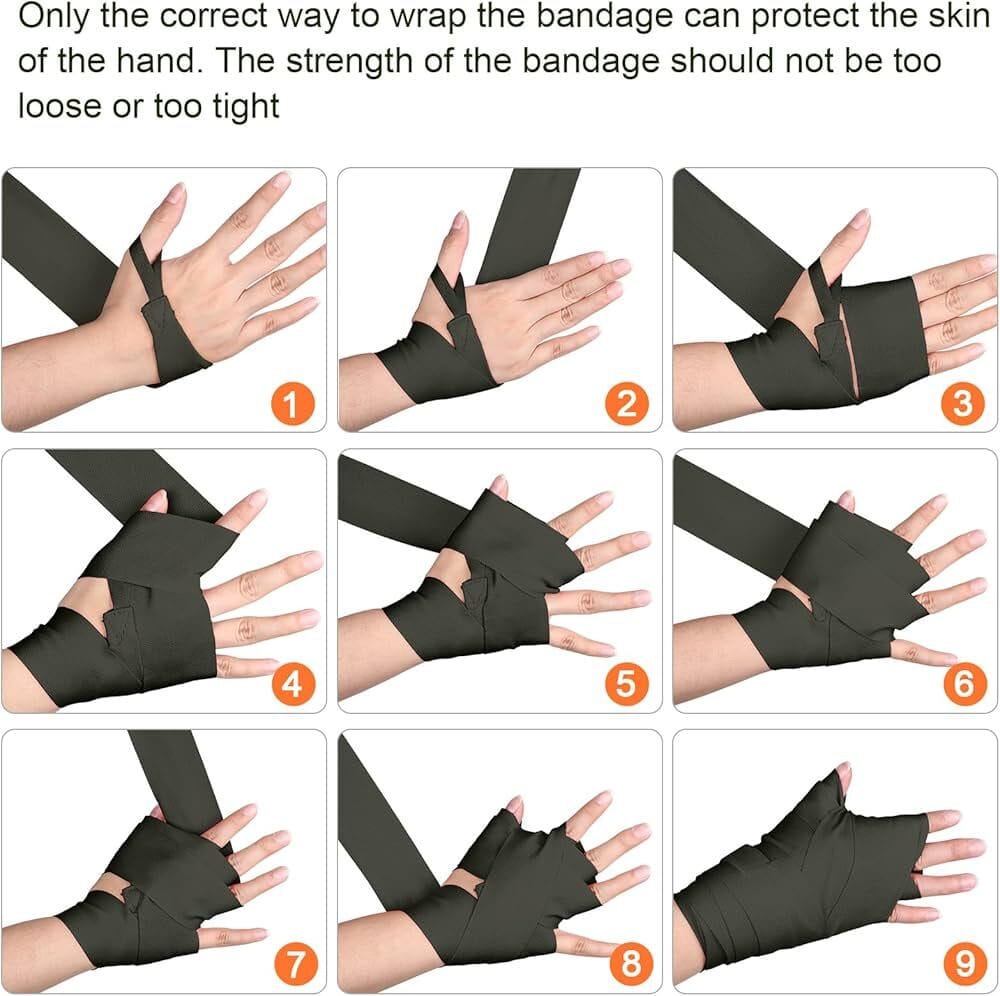
Let’s get to the heart of what you’re here for. Before you start, hold your hand open and relaxed with your fingers spread apart. This position helps ensure proper coverage and prevents wrinkles in the material.
1. Starting Right
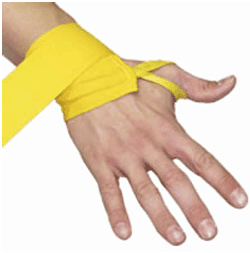
Begin by finding the thumb loop on your wrap. Make sure the “This Side Down” text faces your skin – this small detail makes a big difference in comfort and support. Insert your thumb through the loop, keeping the velcro facing outward.
2. Building the Foundation
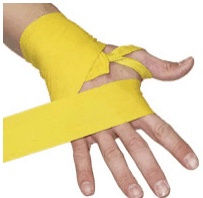
Your wrist is the foundation of your punch, so we’ll start there. Wrap around your wrist three times, positioning the material about 2 inches up from your wrist joint. The tension should be firm but not tight enough to restrict your circulation – you should never feel tingling or numbness in your fingers.
3. Protecting Your Knuckles
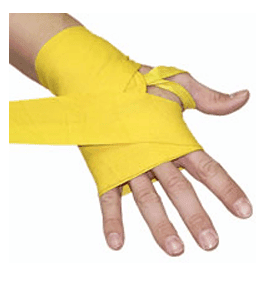
Next comes the crucial knuckle protection. Cross the wrap diagonally across your palm and wrap horizontally across your knuckles 2-3 times. Create an ‘X’ pattern across the back of your hand and repeat it 2-3 times. This pattern distributes impact force evenly across your knuckles while maintaining flexibility.
4. Securing Your Thumb
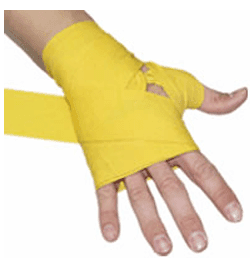
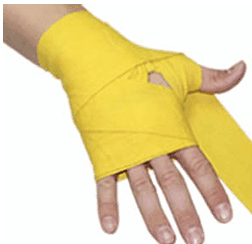
The thumb is often overlooked, but it needs proper support. Wrap around your palm to the thumb’s base, then circle your thumb completely. Return toward your wrist on the palm side, then repeat from the opposite direction.
Keep the wrap flat and twist-free – any bunching here can cause you discomfort during your training. A little trick I like to do is stretch the wraps a bit before wrapping. This way, you get less bunching when you start throwing punches.
5. Finger Protection
Starting from your pinky, weave the wrap between each finger once. This stabilizes your hand while allowing natural movement. Keep the material flat as you go, returning across your palm after each finger. This step prevents your fingers from spreading apart on impact.
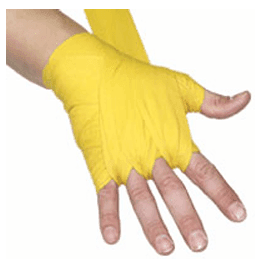
6. Final Security
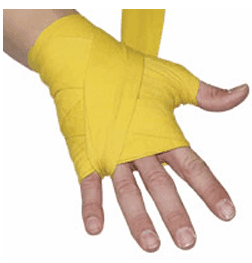
Use your remaining wrap length to reinforce your wrist support. The final wraps should be snug and even, securing everything in place. When you fasten the velcro, ensure it’s flat against your wrist to prevent it from catching on your gloves.
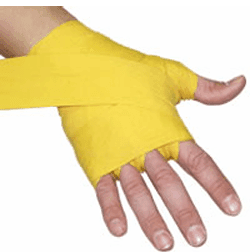
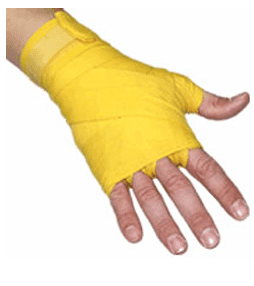
And there you have it, you now know how to wrap your hands as a boxer!
When Things Go Wrong
Even experienced boxers sometimes need to adjust their wrapping technique.
- If your wraps feel loose during training, you probably need more tension in your initial wrist wraps.
- If your knuckles hurt during bag work, double-check your ‘X’ pattern coverage.
- And if you’re getting wrist pain, you might need more support in those final securing wraps.
Maintaining Your Wraps
Good hand wraps are an investment in your training, so take care of them. Wash them every couple sessions and let them air dry completely – never put them in the dryer.
Roll them neatly when storing to prevent stretching. Having multiple pairs in rotation or one more quality pair helps ensure you always have clean, dry wraps ready for training.
“Wrapping” Up
Remember, proper hand wrapping is a skill that develops with practice. Don’t rush the process – your hands are your most valuable tools in boxing. Take the time to get it right every session, and you’ll build the foundation for safe, effective training.
Start with quality equipment (try Warfare Boxing for some top tier equipment), practice your technique, and adjust as needed. Your future self will thank you for taking the time to master this essential skill.
Train hard, stay safe, and keep those hands protected!
Read More: How to Start Boxing at Home
Common Questions About Hand Wrapping
How tight should my wraps be?
Think “firm but comfortable.” You should be able to make a fist easily and maintain full finger mobility. If you feel tingling, they’re too tight. If they slide during punches, they’re too loose.
Can I reuse my wraps many times without washing?
While you can, you shouldn’t. Unwashed wraps harbor bacteria and can cause skin issues. Clean wraps aren’t just more hygienic – they’ll help your gloves last longer too. You should wash your wraps every few sessions.
How long should wrapping take? With practice, about 1-3 minutes per hand. Don’t rush it – proper wrapping is part of your preparation ritual.
Do I need different wrapping techniques for different training? Slightly. Heavy bag work needs extra knuckle protection, while speedbag training requires more wrist mobility. But the basic technique we’ve covered works well for most training.
My wraps get loose during training. What’s wrong? Usually, this means your initial wrist wraps weren’t tight enough, or you’re losing tension as you wrap. Focus on maintaining consistent tension throughout, especially in those first three wrist wraps.
How do I know when to replace my hand wraps? Replace your wraps when they lose elasticity, develop tears, or stop holding tension. With regular use, this is typically every 3-6 months. If you buy more quality wraps, they tend to last a lot longer.

Pingback: Best Boxing Gloves for Beginners: FULL GUIDE
Pingback: How to Become a Boxer: Full Guide For 2025
Pingback: Best Punching Bags for Beginners: A Complete Guide for 2025